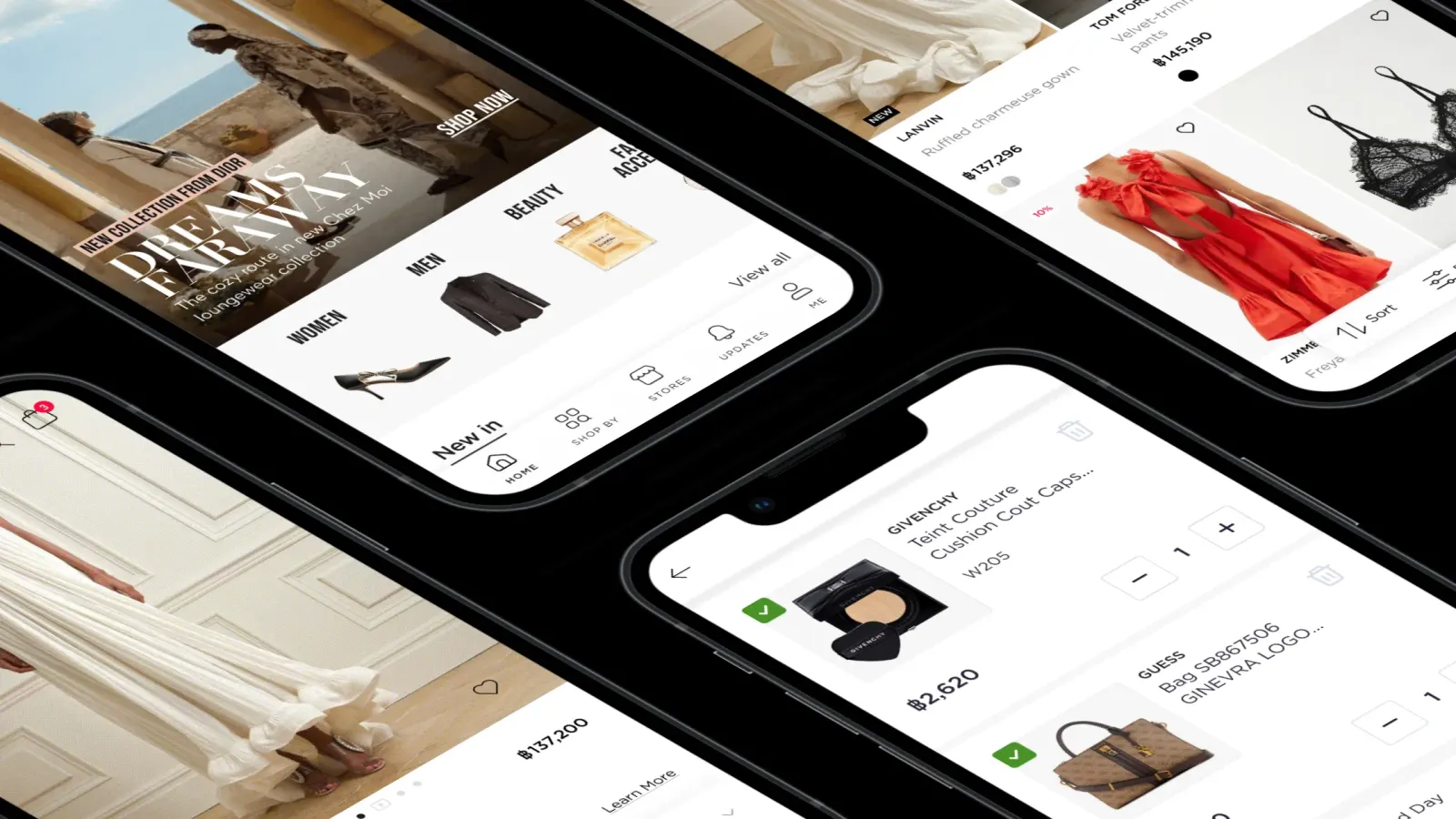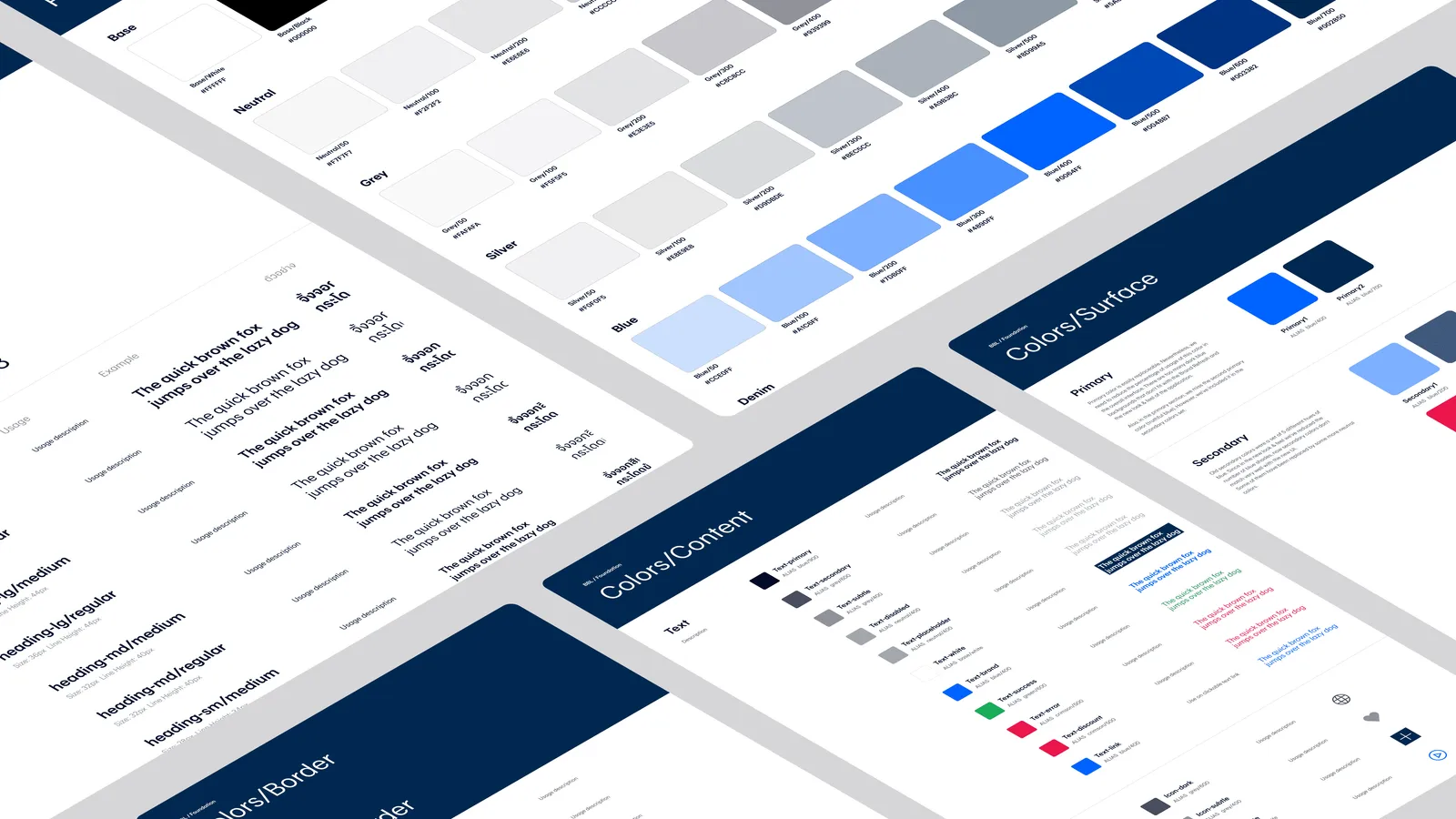
Bangkok Bank Design system
Rebuilding the design system behind one of Thailand’s biggest banking apps
20–30% faster design and development cycles
A design system audit is a fixed-scope review of your Figma libraries, coded components, tokens, documentation and governance. Kerago measures how far design and code have drifted apart, where teams are rebuilding the same things, and what is slowing delivery, then hands you a prioritised roadmap you can act on with or without us.
Product teams with a design system that exists but isn’t trusted, adopted or kept in sync with code.
2–3 weeks
Every Figma library and coded component checked for consistency, accessibility, naming and variant structure.
We compare what designers ship in Figma with what is live in production, screen by screen.
Colour, type, spacing and elevation tokens checked for coverage, naming and theming readiness.
Short interviews with designers, developers and product owners to find where the process breaks.
A working session with your leads to walk through findings and agree the first moves.
We agree scope, get read access to Figma and the repo, and book interviews.
Libraries, code, tokens and documentation are reviewed against a consistent checklist.
We talk to the people who use the system every day.
Findings, health score and a prioritised roadmap, delivered in a readout session.
A design system audit is a structured review of a team’s design libraries, coded components, design tokens, documentation and governance. It identifies inconsistencies, duplicated work and gaps between design and code, and ends with a prioritised plan for fixing them.
Kerago’s audits usually take two to three weeks, depending on how many products, libraries and codebases are in scope.
A written report with findings and a health score, a prioritised roadmap, and a readout session with your design and engineering leads.
No. The roadmap is written so your own team can act on it. Many clients continue with a Kerago enablement retainer, but it is optional.
Read access to the component library repository helps us check design-to-code parity. If that is not possible, we work from the live product and Storybook or similar documentation.